The Big News Breakdown. Unpacking this week’s most important news.
Well before his second term in office, Mexico proved a useful foil to Donald Trump. However, trade wars and threats of military action on Mexican soil have obscured the key strategic importance of Mexico elsewhere in the region.
With the Trump administration one must always read between the lines of blustery rhetoric. This of course doesn’t mean it shouldn’t be taken seriously but instead it is important to try to understand the final designs of any foreign policy position the US takes.
Take the Mexico-Cuba relationship.
By most accounts, the Cuban regime is on the brink of collapse. Blackouts and economic crisis conspire, alongside the US government, to bring the Cuban Communists down.
Secretary of State Marco Rubio is known to be single-minded about this goal, so it strikes many as strange that he has not only not spoken out against Mexico’s close relations with Cuba, but has also gone out of his way to praise Mexico whenever the question does come up.
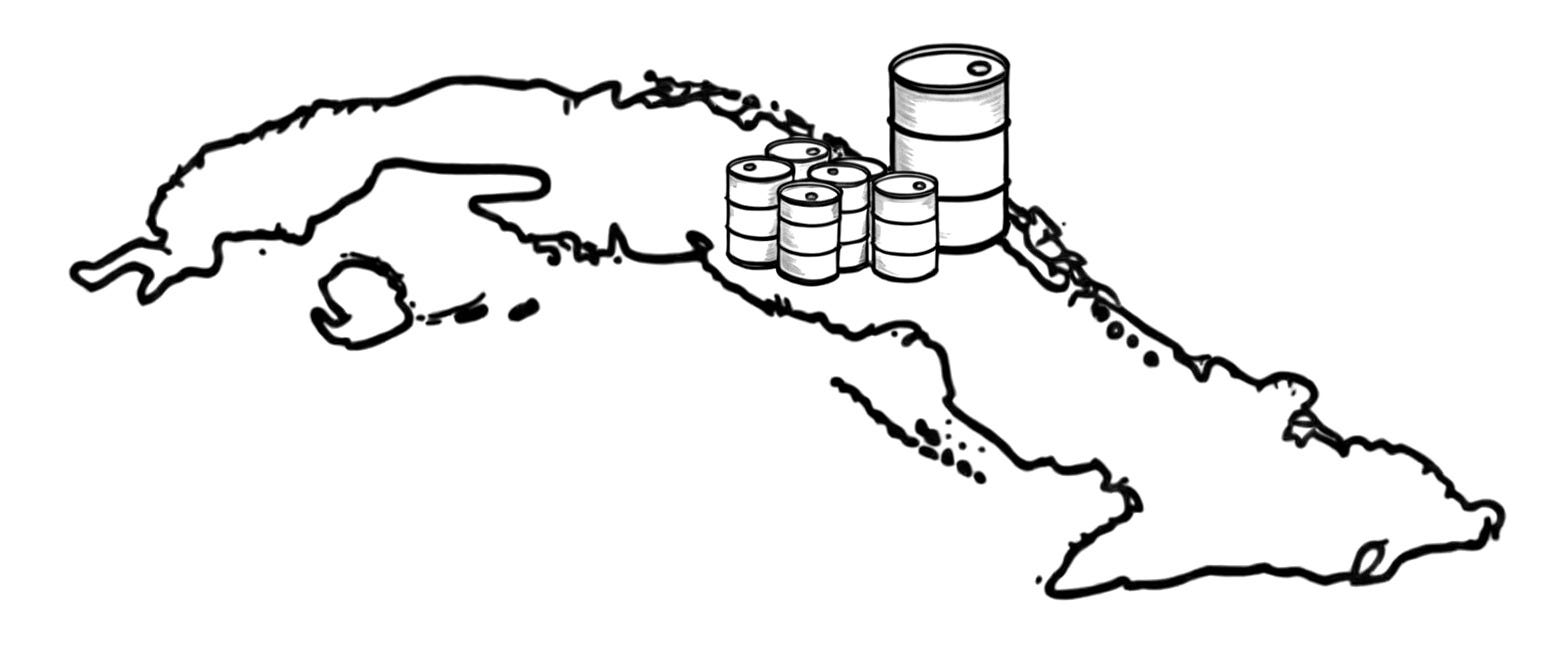
Since the capture of Venezuela’s Nicolás Maduro, the media in the US and Mexico have been at pains to point out that Mexico is now Cuba’s greatest supplier of oil. Reports indicate that, apart from providing the island with 30% more fuel than Venezuela and 2.6 times more than Russia—its historic allies—it is also sending higher quality stuff than what Mexico keeps for itself. The reason is simple; Cuba’s old infrastructure does not have the capacity to refine all the oil it desperately needs to stay afloat.
Some estimates put the value of Mexican oil going to Cuba in 2025 at $3 billion dollars. That makes China’s recent pledge of $80 million dollars in aid look like peanuts.
Why hasn’t the US spoken out?
Venezuela may provide an explanation. The Trump administration has proved to be unshy about using force to impose itself in its latest drive to secure the Western Hemisphere. But, it is keenly aware that unbridled regime change can cause catastrophe. Rubio has said as much, explaining that Trump’s desire to keep the Chavista regime in place so long as it remains compliant is a better path to ensuring US interests in the region.
A Venezuela embroiled in a civil war or complete collapse would spell disaster—and a potentially even greater mass emigration from the country than before.
Cuba is much closer to the US, and though one million have already left the island in the past few years, about 10 million still remain. The total collapse of Cuba would consequently not be a desirable outcome for an administration hellbent on keeping migrants out and the region stable.
Mexico in this context provides a crucial backstop. The free flow of Venezuelan oil has stopped and Cuba virtually has no allies in the region. The edifice of the Communist-run country is creaking, but Mexican oil provides a modicum of stability, potentially allowing for a controlled demolition more to the Trump administration’s liking.
President Claudia Sheinbaum seems to understand that the US certainly cannot be seen to be managing the collapse by sending in aid. So, every time she is questioned about the oil going to Cuba, instead of expressing support for the island, she deflects or minimises the amounts being sent.
Recently, on being asked by a journalist whether or not she’d been pressured by the US to stop sending oil, Sheinbaum digressed and instead answered: “We’d be delighted, if the US would like us to, to be intermediaries between them and Cuba.”