
Against the USMCA
Is Mexico begging to sign up to a bad trade agreement?
It has been 32 years since the North American Free Trade Agreement (NAFTA) came into force. In many respects it was wildly successful in its aims. Today, many of the same companies that benefitted from it are enormous transnational behemoths who are lobbying hard to preserve NAFTA’s successor treaty, the US-Mexico-Canada Agreement (USMCA).
There is no anti-USMCA lobby to speak of in Mexico. The dead don’t vote.
In the 1990’s there were large mobilisations by the sectors who feared they would be affected negatively by the signing of NAFTA. Their fears came true. Artisanal, small, and medium-sized industries were gutted. Agriculture was left barren in the face of US and Canadian dumping. Today, those businesses are gone; unable to cast their vote in the court of public opinion, leaving the public debate around USMCA in a strange place.
Everyone seems to be fully behind a renewal of the treaty, to the extent as to be willing to say yes to almost any of Donald Trump’s demands. This is unsurprising from the private sector actors that benefit from North American free trade: The auto industry, Wal-Mart, regional freight rail companies like CPKC.
More surprisingly is the support of the new, allegedly “post-neoliberal” establishment controlled by a nominally nationalist left-wing party—Morena. Historically this movement, and those who lead it, have been against this sort of trade agreement, seen to benefit big transnational capital at the expense of the workers and national industry.
In 1993, The Stanford Daily featured the photo of a UC Berkeley student protesting NAFTA. That woman would go on to become president of Mexico; the same president that today champions the renewal of the USMCA.
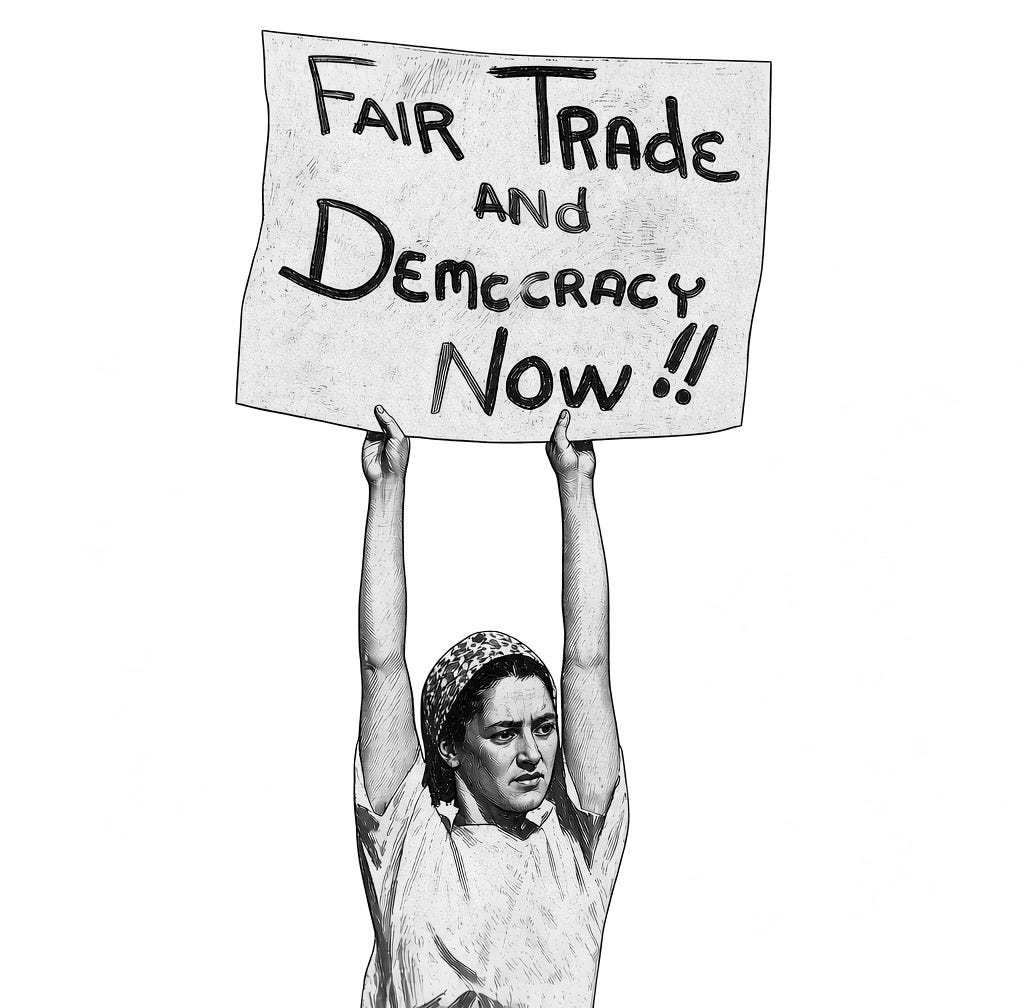
Absent its traditional opponents, critics have been conspicuously absent, and consequently so has any robust debate around cons of this trade deal for Mexico. The USMCA is universally described as an unqualified benefit to all of Mexico and should be defended—if not expanded—at all costs.
This is a problem. The treaty is far from perfect, and—under the hawkish negotiators of the Trump administration—it could get worse for Mexico.
A robust critique of the USMC needn’t constitute an argument against the existence of a North American trade agreement. It should, however, serve as a warning to a negotiating team willing to accept even the worst version of the USMCA.
Here are the Mexican arguments against the USMCA in its current form.
